Key Takeaways
- This year, Rakhi will be celebrated on 28th August.
- The festival is rooted in deep mythological and historical narratives, like stories of Rani Karnavati and Lord Krishna.
- Traditional rituals include exchanging sweets and tying the sacred thread on the brother’s wrist. The modern celebration includes sending rakhi, gifts online, and virtual gatherings.
In This Article
- Key Takeaways
- What Is Raksha Bandhan?
- Historical & Mythological Roots of Raksha Bandhan
- Why Raksha Bandhan Is Celebrated Across India
- Raksha Bandhan 2026 Date, Time & Shubh Muhurat
- Traditional Raksha Bandhan Rituals Step-by-Step
- How Rakhi Is Celebrated Today in Modern Times
- Frequently Asked Questions
There’s something truly heart-warming about the auspicious occasion of Raksha Bandhan! It’s a festival that truly celebrates the protection, love, and unbreakable bond that siblings share.
The Raksha Bandhan 2026 is an emotional reminder to millions of families that is more than just a normal ritual; it’s about reminiscing about the unique bond that connects siblings. Moreover, the cultural importance of Rakshabandhan lies in how it breaks the barriers of distance, brings people together, and rekindles the affection that we all crave in our daily lives.
What Is Raksha Bandhan?
So, let’s address the biggest questions: what is Raksha Bandhan really? Or what is the meaning of Raksha Bandhan?
It’s not just a mere date on the calendar! Though rooted in sibling love, it’s a heartfelt promise, a silent assurance of love and loyalty that they’ll stand by each other in every phase of their lives. Though it’s traditionally observed between brothers and sisters, the festival is now about celebrating bonds that go beyond blood relations.
Historical & Mythological Roots of Raksha Bandhan
Many of us might not believe it, but, indeed, the history of Raksha Bandhan goes back centuries! These historical stories behind Raksha Bandhan echo stories of compassion, bravery, and sacred vows.
One of the most significant tales is that of Lord Krishna and Draupadi, when Krishna protected Draupadi’s honor after she tied a piece of cloth around his wrist, turning it into a sacred bond of protection.
Another famous tale you can find in history is of Humayun and Rani Karnavati. The Rani sent a rakhi to the Emperor, compelling him to defend her kingdom, proving that the thread symbolised duty beyond blood.
These stories perfectly highlight how Raksha Bandhan has always stood for protection, trust, and unspoken promises that go beyond time.
Why Raksha Bandhan Is Celebrated Across India
It’s natural for all of us to wonder why Rakshan Bandhan is celebrated with so much vigor across the country. The answer lies in its timeless messages of care, unity, and shared responsibility!
Even though our lives are fast-paced, the festival compels us to pause and acknowledge the people who matter the most to us. In a diverse land, the celebration acts as an emotional bridge that helps communities and families connect through a shared tradition.
Plus, it also reminds us that providing physical protection alone is not enough! Emotional presence, reassurance, and respect also matter between siblings. No matter where it’s celebrated, the festival carries the same essence, i.e., honoring the promise of standing together through life and strengthening bonds.
Raksha Bandhan 2026 Date, Time & Shubh Muhurat
Are you curious about the date of Raksha Bandhan in 2026? According to Panchang, the festival will be celebrated on 28th August this year. Plus, the most auspicious time for the sacred thread ceremony is between 5:57 AM to 9:48 AM, making it ideal for families to perform the ritual with devotion and positivity.
On this special occasion, sisters tie rakhi on their brother’s hand and in return, the brother promises lifelong protection to their siblings. You must remember that it’s important to tie the rakhi in the muhurat as it has spiritual significance to the celebration and makes the bond even more emotionally fulfilling and meaningful.
Traditional Raksha Bandhan Rituals Step-by-Step
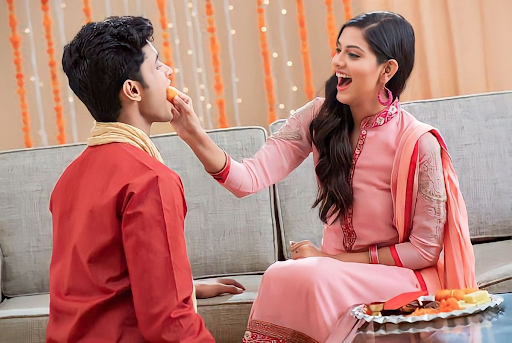
Let’s now shift our attention to the rakhi rituals, where every step holds spiritual and emotional meaning. Some of the major rituals followed on Raksha Bandhan Day are:
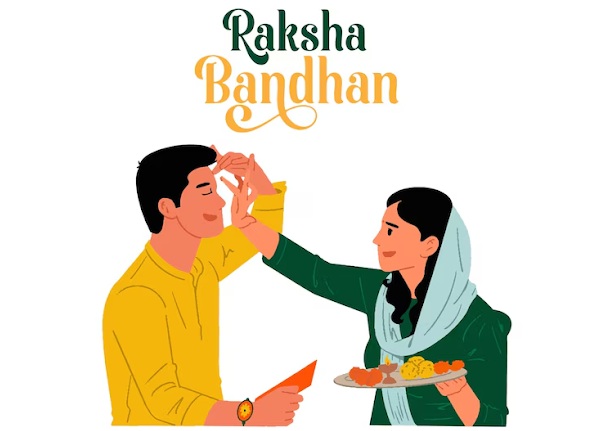
- Sisters decorate a thali with roli, rice grains, rakhi, diya, and sweets.
- As the ceremony begins, brothers sit respectfully, symbolizing readiness to receive blessings.
- The sister will apply a tilak on the brother’s forehead for protection and good luck.
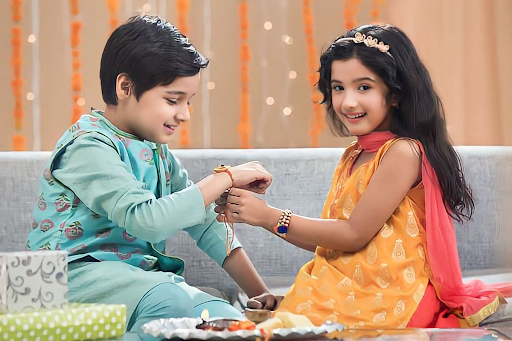
- Then, they’ll tie rakhi on the brother’s wrist while offering heartfelt prayers for their long and happy life.
- Sweets are shared to celebrate togetherness and love.
- The brother promises support, lifelong care, and protection in return for their sisters.
- Lastly, the siblings exchange gifts with each other as a token of gratitude and affection.
How Rakhi Is Celebrated Today in Modern Times
Most of us often fail to realize how Raksha Bandhan has changed over the years! It reflects the evolving relationships that are filled with meaningful messages, thoughtful gifts, and digital hugs across the screens.
- Evolving Scope
Raksha Bandhan celebration is no longer about celebrating between biological brothers and sisters. Friends, cousins, and chosen family with equal joy and vigor. The evolution perfectly highlights how timeless traditions adapt beautifully while honoring the festive essence.
- Personalized Gifting
Exchanging gifts has now become heartfelt expressions of love that go beyond clothes and conventional sweets. Most siblings often go for personalized gifts like memory albums, custom bracelets, and meaningful keepsakes that will make the day memorable.
These thoughtful gifts help siblings say, “I know you, I cherish you, and I love you”!
- Digital Celebrations
Thanks to technological advancements, siblings can bridge the gap between each other if they stay far apart. E-rakhis, video calls, and digital messages make it possible for siblings to tie rakhi virtually and feel connected.
Even though you’re physically apart, the bond’s warmth shines through every online smile and shared laugh.
- Mutual Protection
Even though the festival begins with sisters seeking protection from brothers, it symbolises mutual protection in today’s world. Brothers and sisters both promise safety, care, and emotional support to each other.
Most siblings now vow to stand and support each other through life’s challenges, proving that presence alone is enough to guarantee true protection. The festival has now become a mutual pledge of lifetime support.
- Cultural Integration
The celebration of Raksha Bandhan across the nation has been blending seamlessly with regional flavors and local customs. That’s what makes it united yet uniquely diverse.
From regional sweets to folk songs, every state adds its own heart to the celebration. The cultural integration beautifully turns a single festival into a mix of traditions where each thread is as meaningful as the rakhi itself.
Frequently Asked Questions
1. What is the historical origin of Rakshabandhan?
Raksha Bandhan has its historical core in ancient Indian folklore.Women and queens would tie strings to warriors and kings, as a sign of protection.These narratives emphasize how the festival originated as a pledge of devotion and nurture during peace and conflict.
2. What role does Rakshabandhan play in Indian society?
Rakshabandhan assists in reaffirming the family ties and reminding society that the values of mutual respect and love are important. It’s an auspicious day when the sibling bond is openly and loudly celebrated, bringing everyone together in joy.
3. Which mythological stories are associated with Rakshabandhan?
There are several mythological stories associated with Rakshabandhan. The most of all is the tale of Krishna and Draupadi, where a torn piece of cloth became a sacred shield of protection. These stories have been passed down through generations, adding inspiration and depth to the celebrations.
4. Why is Rakhi tied on Rakshabandhan?
Rakhi is tied on Rakshabandhan as a gesture of respect, love, and commitment to protection. When a sister ties a rakhi on her brother’s wrist, she expresses her wishes for his well-being, and he promises her of providing lifetime protection.
5. Can we tie rakhi after Rakshabandan?
Yes, you can tie rakhi even after the Rakshabandhan is over! There are many families who are not able to celebrate on the official day due to distance, time, or circumstances. After all, emotions matter more than the timing.
6. Has the meaning of Rakshabandhan changed over time?
Yes, absolutely! Even though the core meaning of protection and love remains, the festival now embraces deeper emotional expressions, broader relationships, and new ways of celebrating togetherness.
7. Can Rakshabandhan be celebrated between sisters and friends?
Absolutely! Friendships that often feel like family often celebrate Raksha Bandhan with the same meaning and enthusiasm. When our heart feels the bond, tradition and gender simply sit aside to make place for love.
8. Why is Rakshabandhan still relevant today?
Raksha Bandhan is relevant today because it keeps reminding us of what matters the most: care, connection, and compassion.